A Case for ‘GUAP’: How Lazarus X’s Ambitious New Italy-Set Series Reveals a Black Art-House Underground Hiding in Plain Sight
& the Exploration and Audacity of Black Independent International Filmmaking
Introduction: The Mystery of GUAP
Contemporary film culture likes to believe that it rewards ambition.
The rhetoric is everywhere. We celebrate originality. We celebrate independent voices. We celebrate artists who take risks. We celebrate unconventional storytelling, global perspectives, and work that refuses easy categorization. Yet every so often a project appears that tests whether those values are actually being practiced rather than merely proclaimed.
GUAP, the newest series from filmmaker Lazarus X, is one such project.
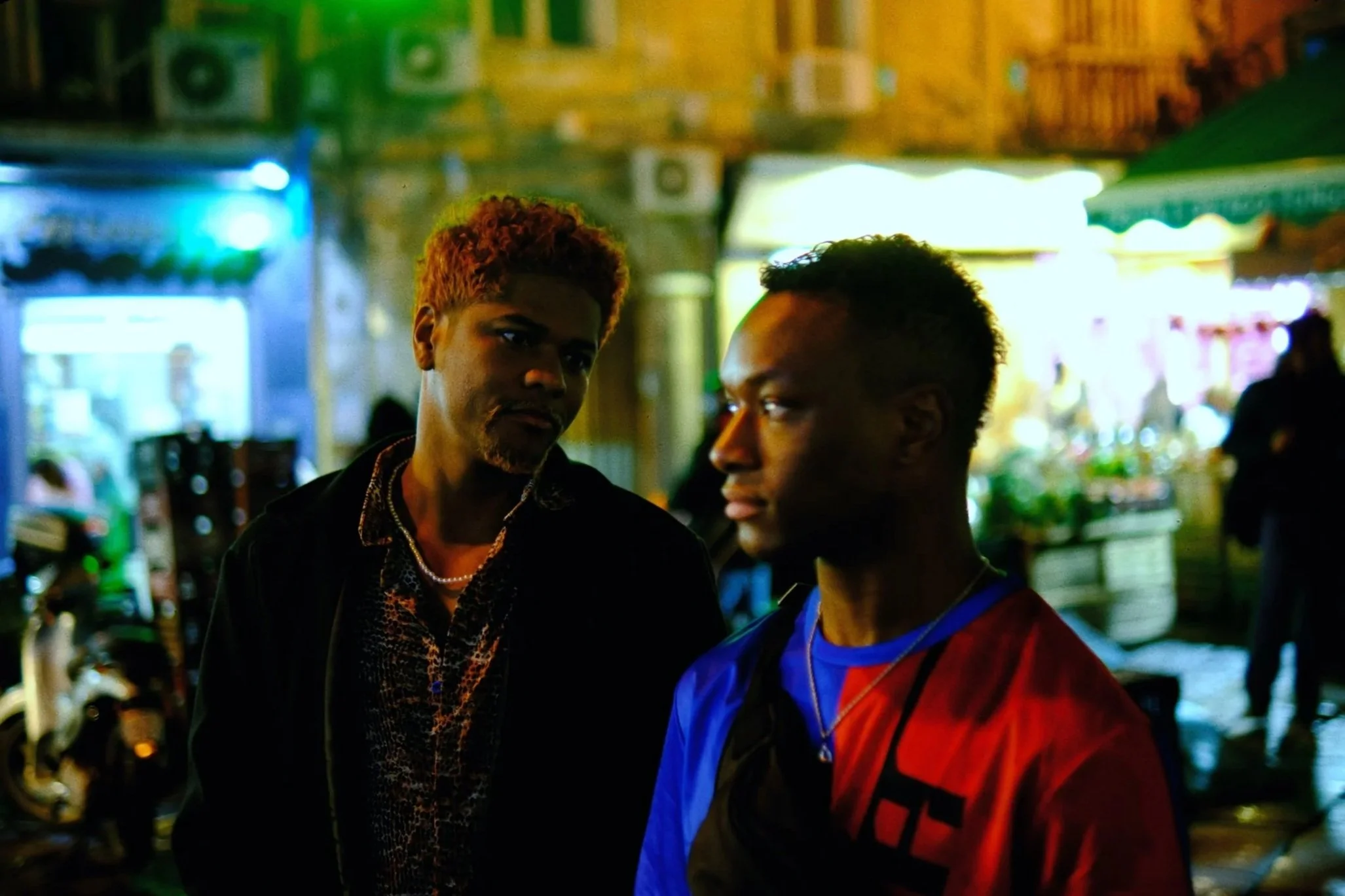
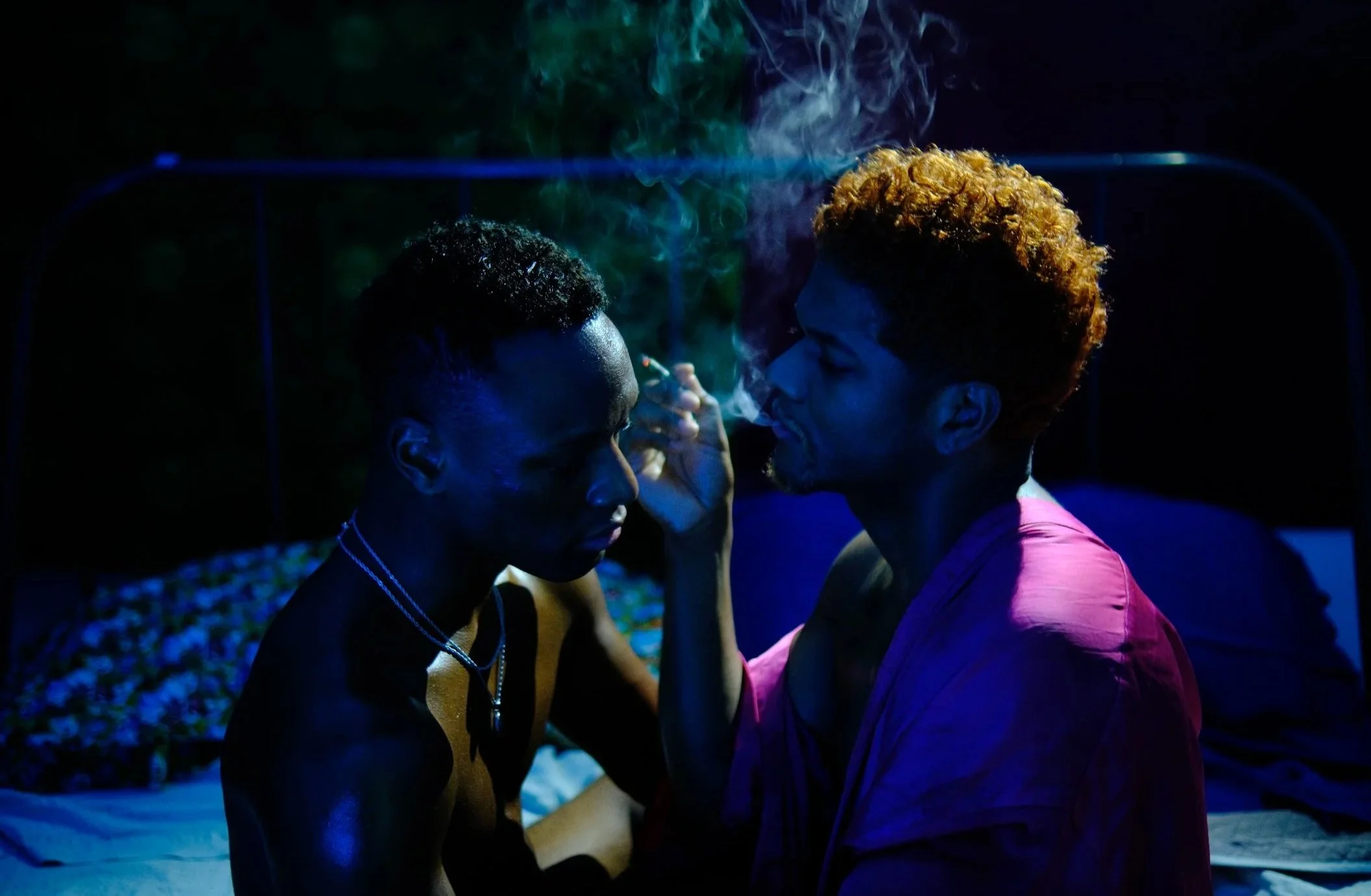
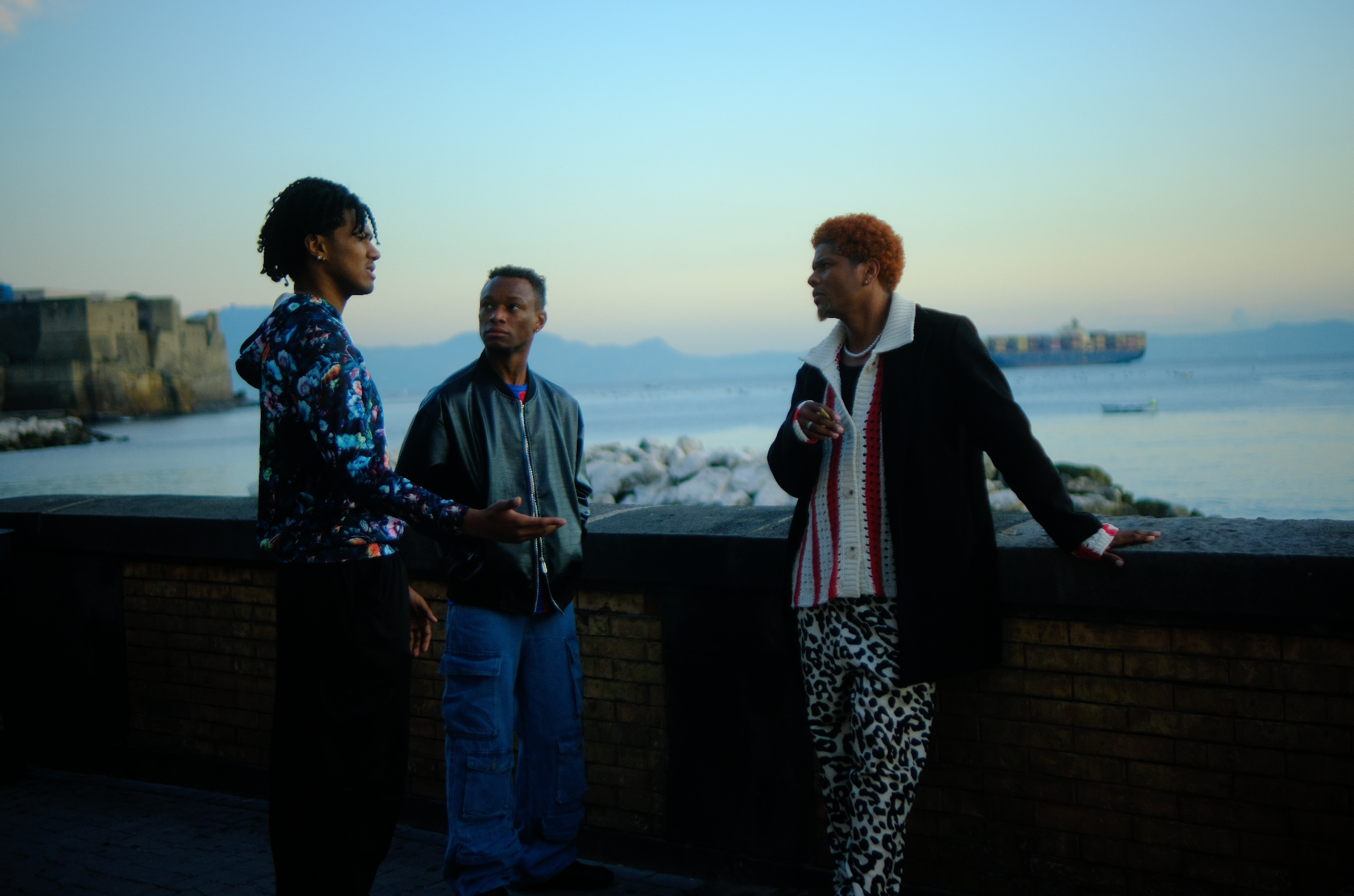
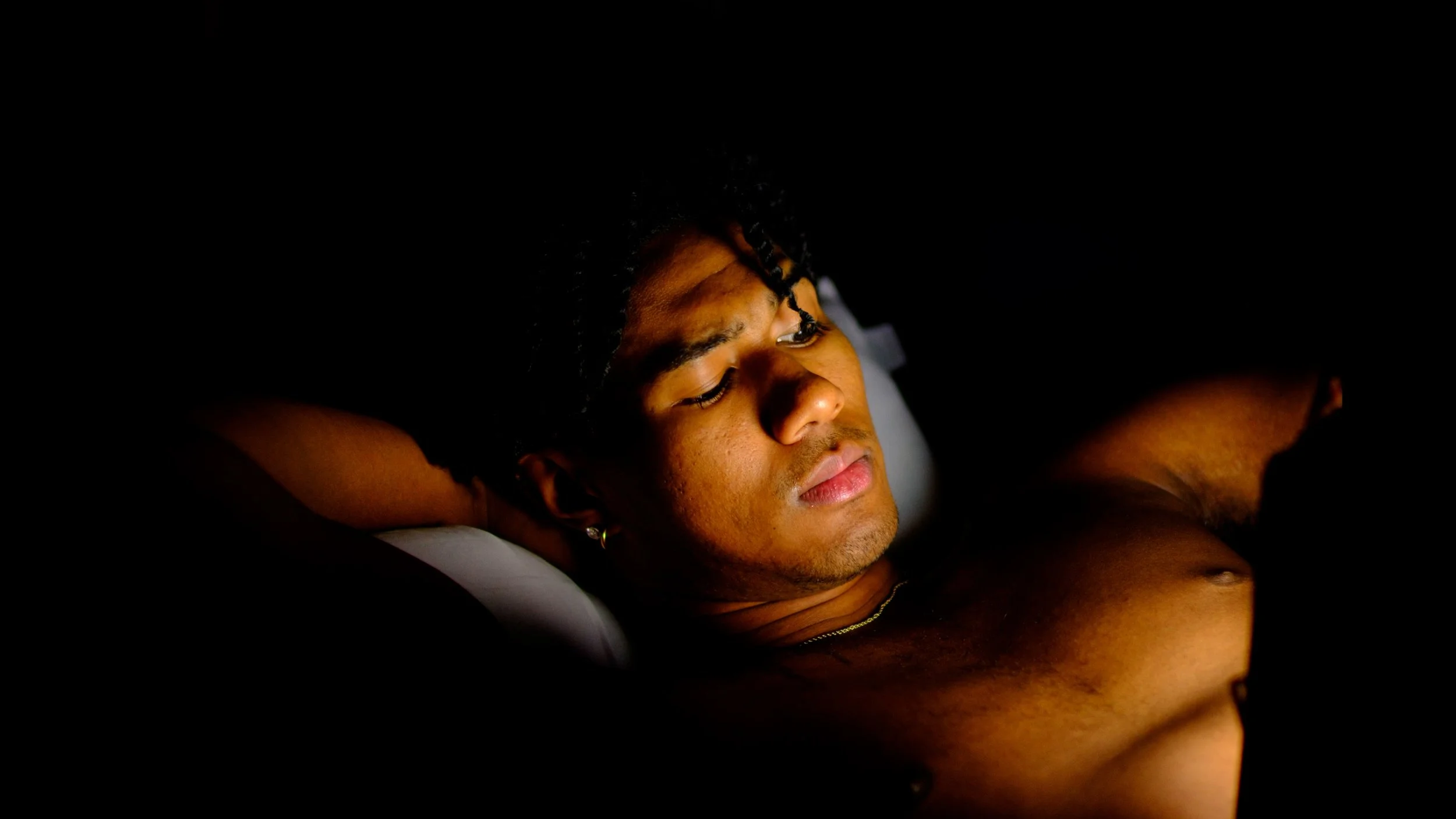
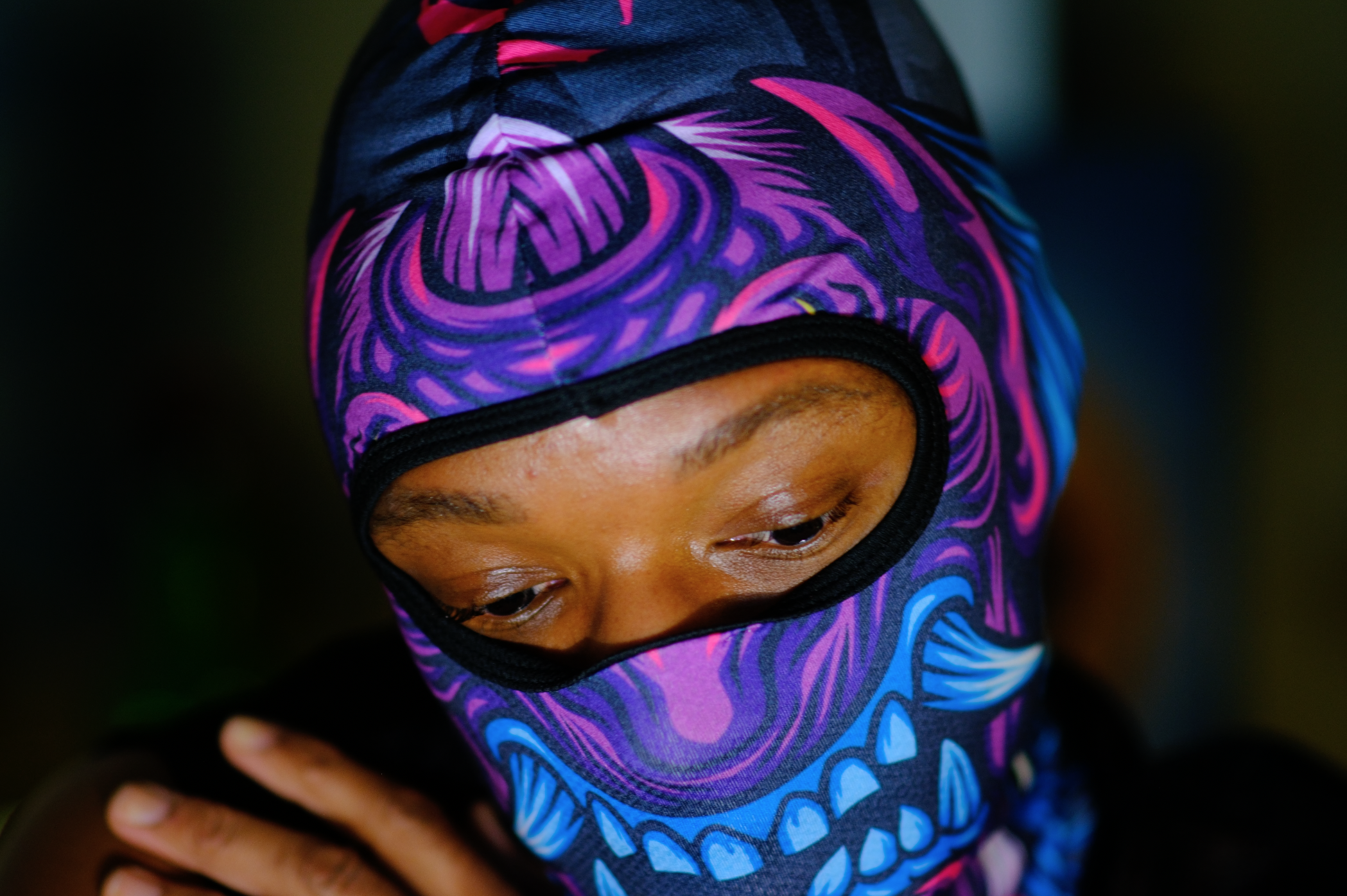
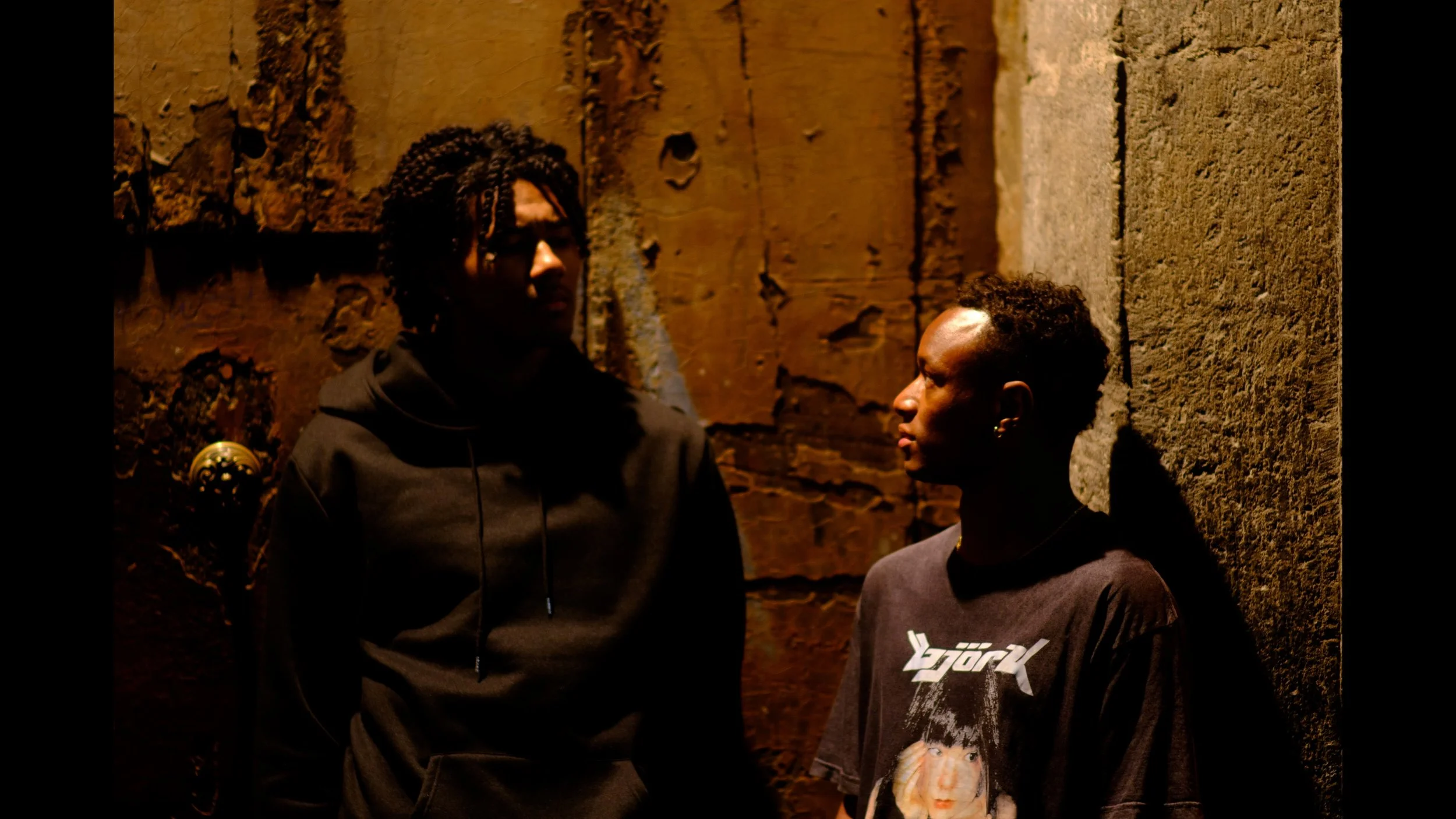
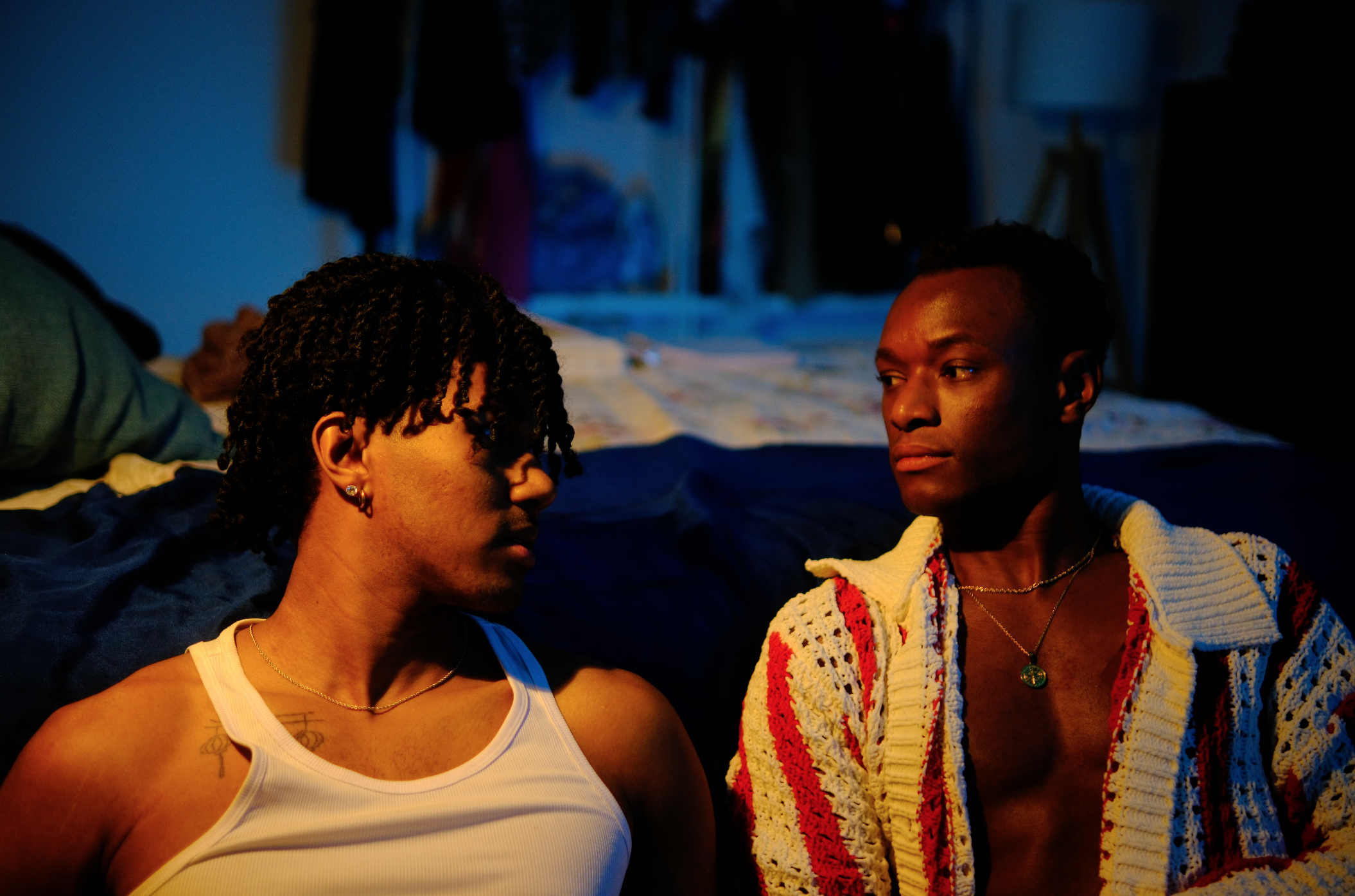
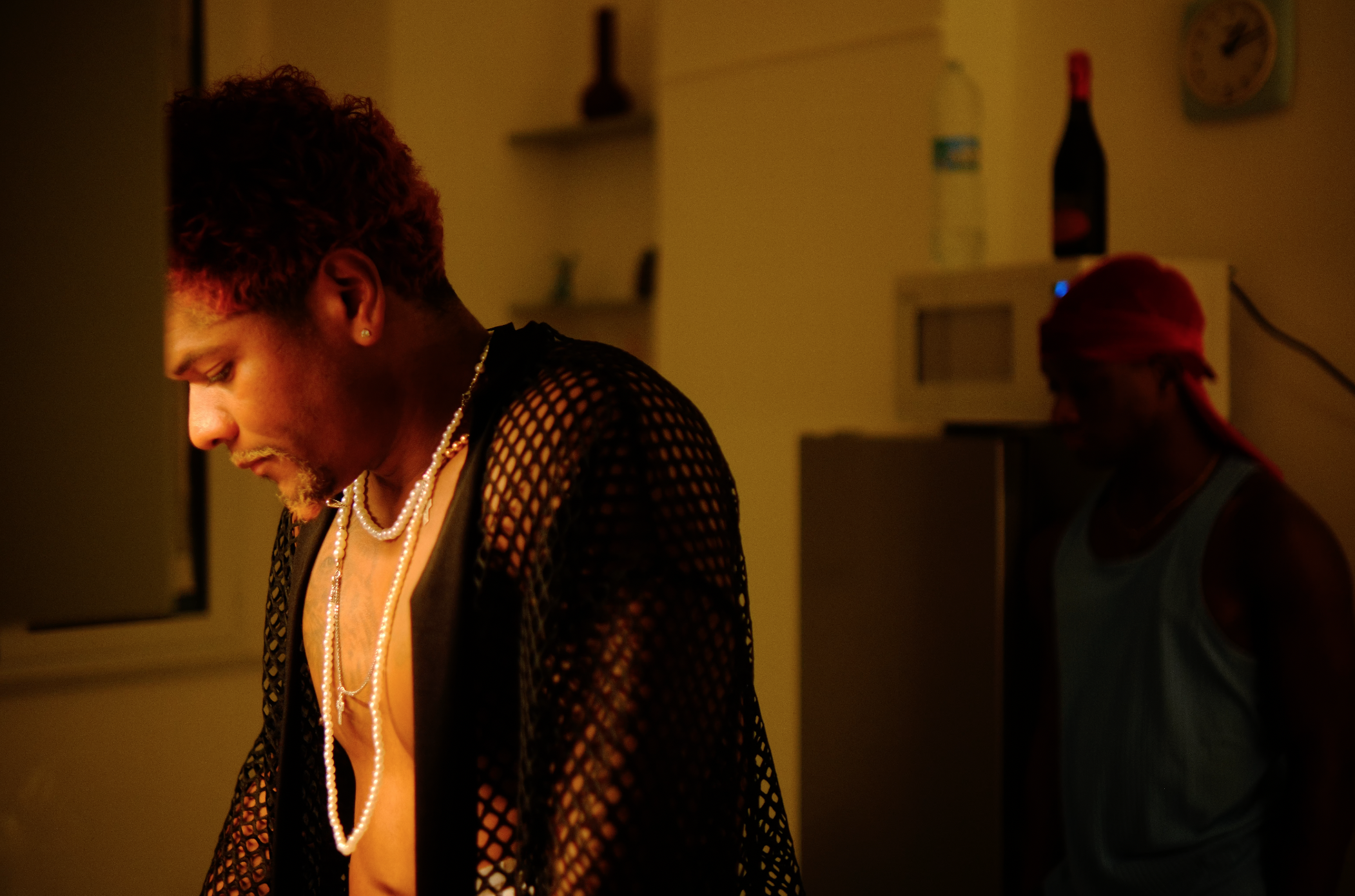
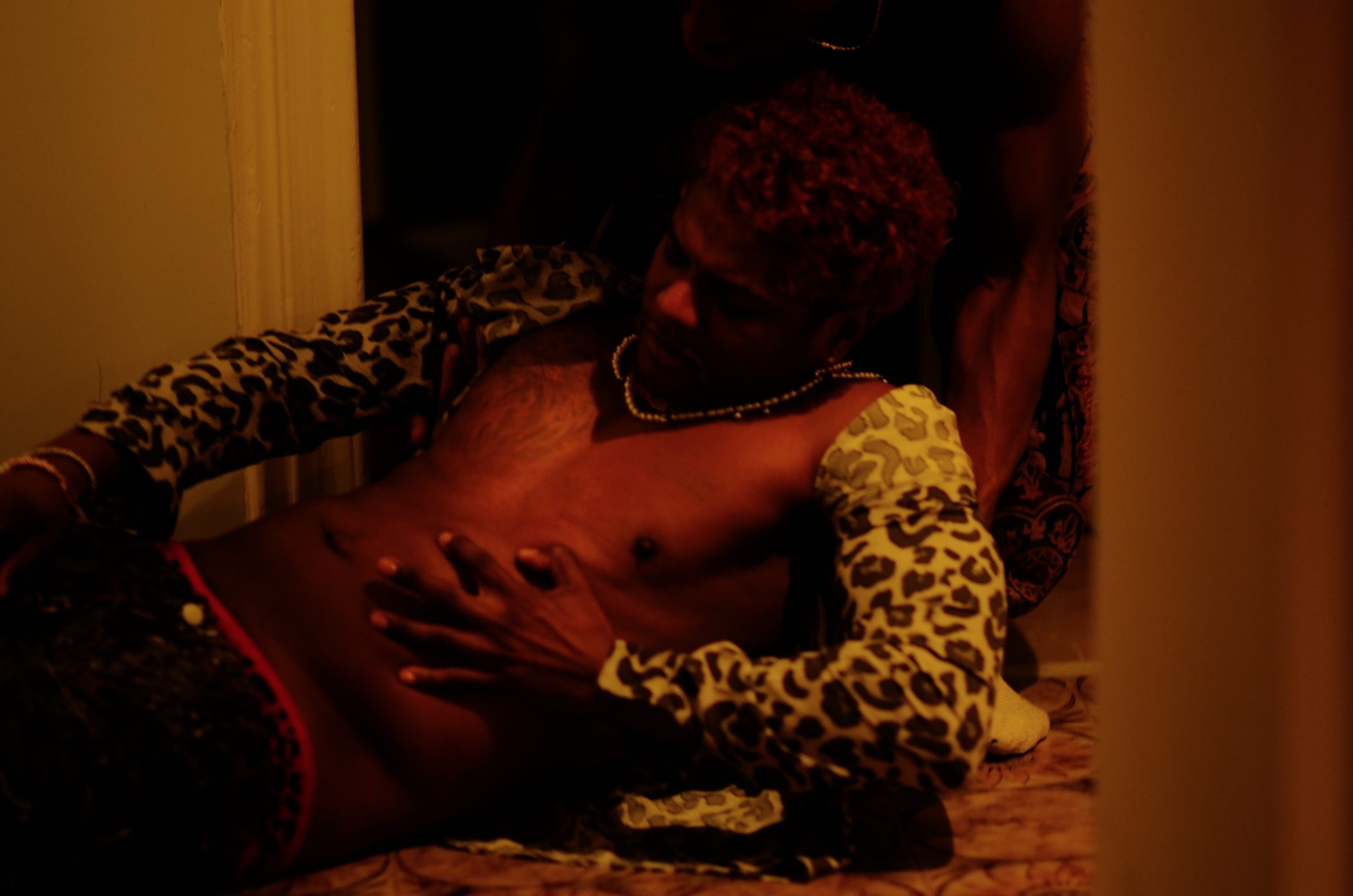
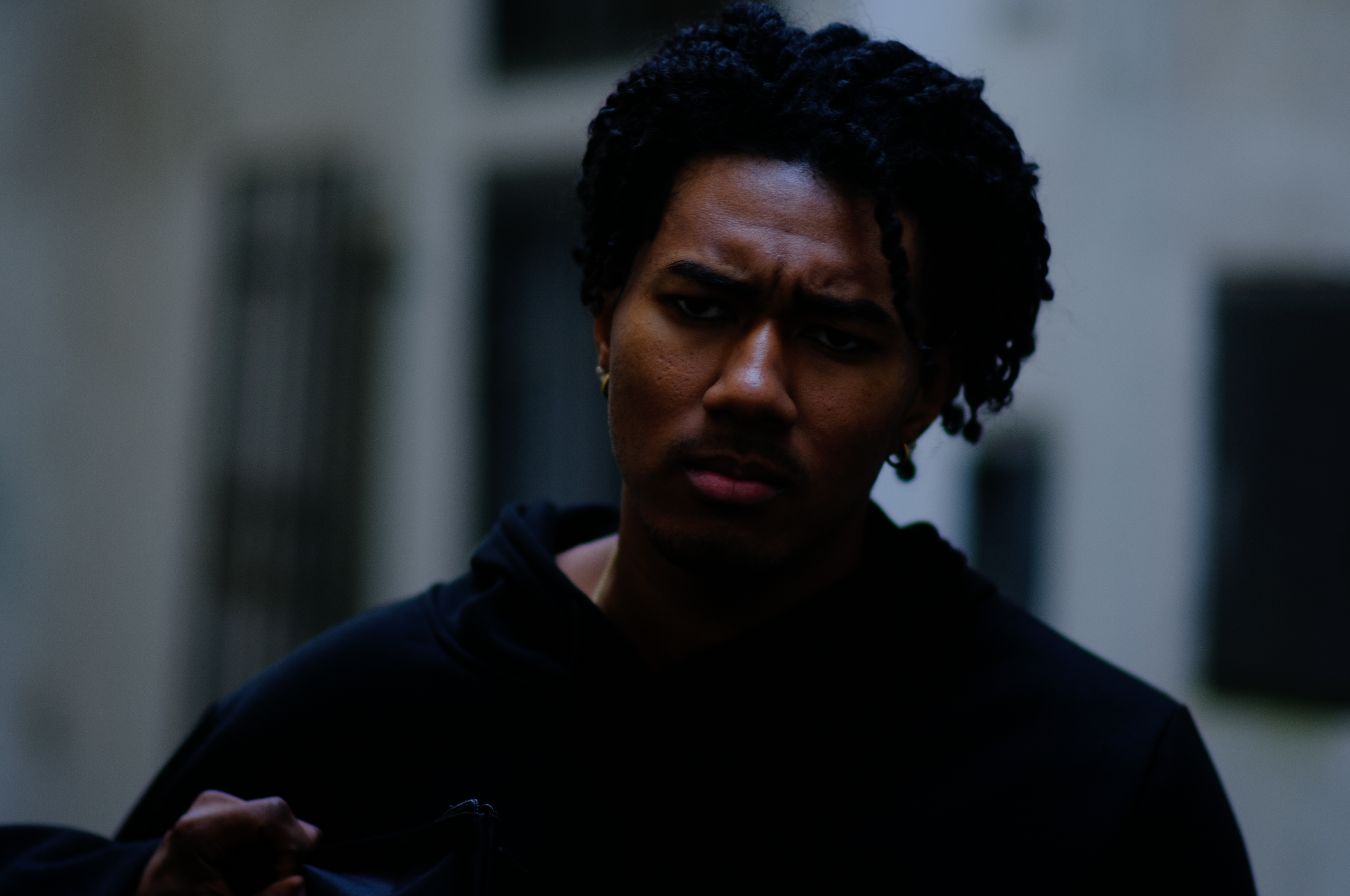
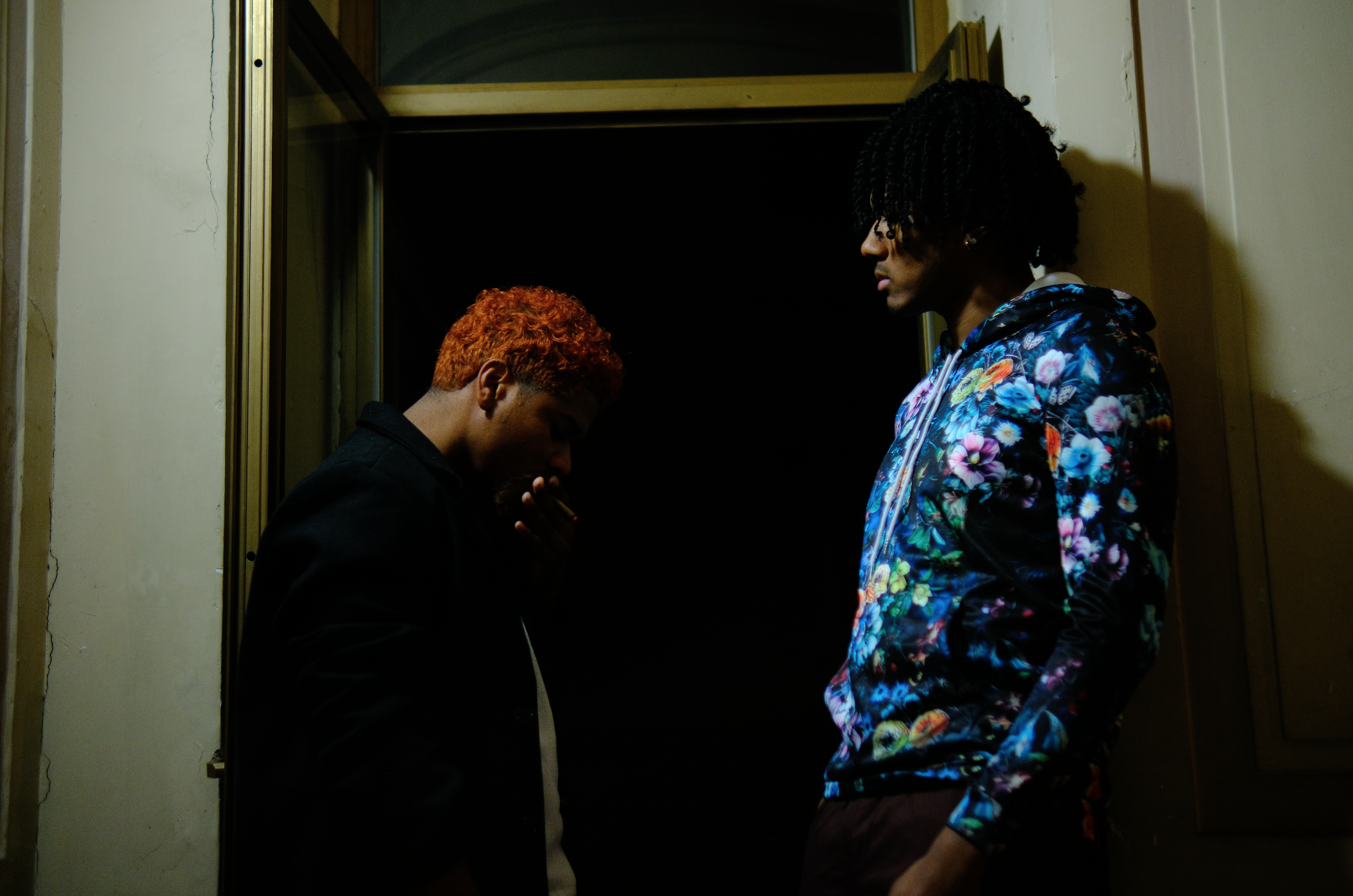
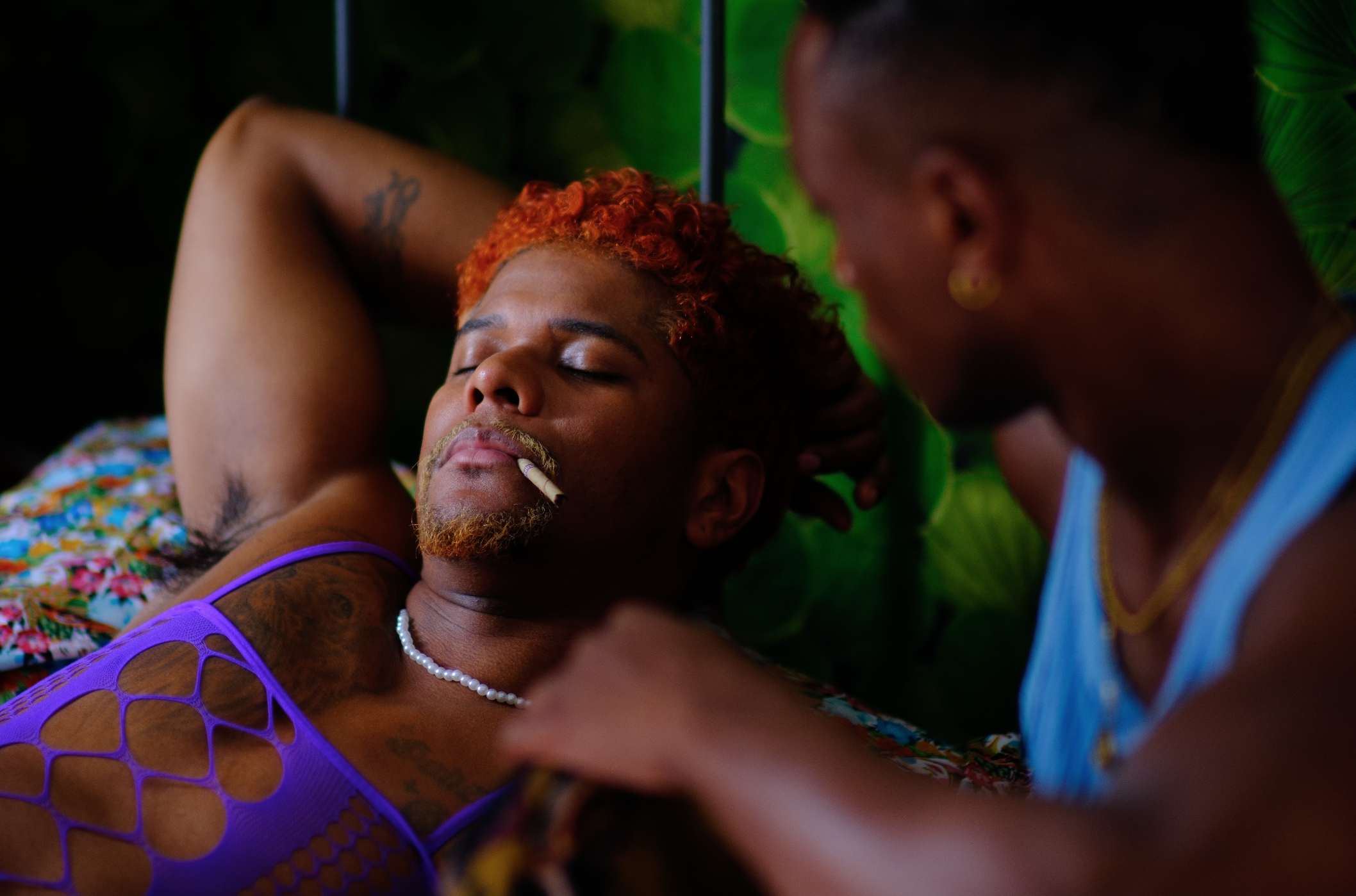
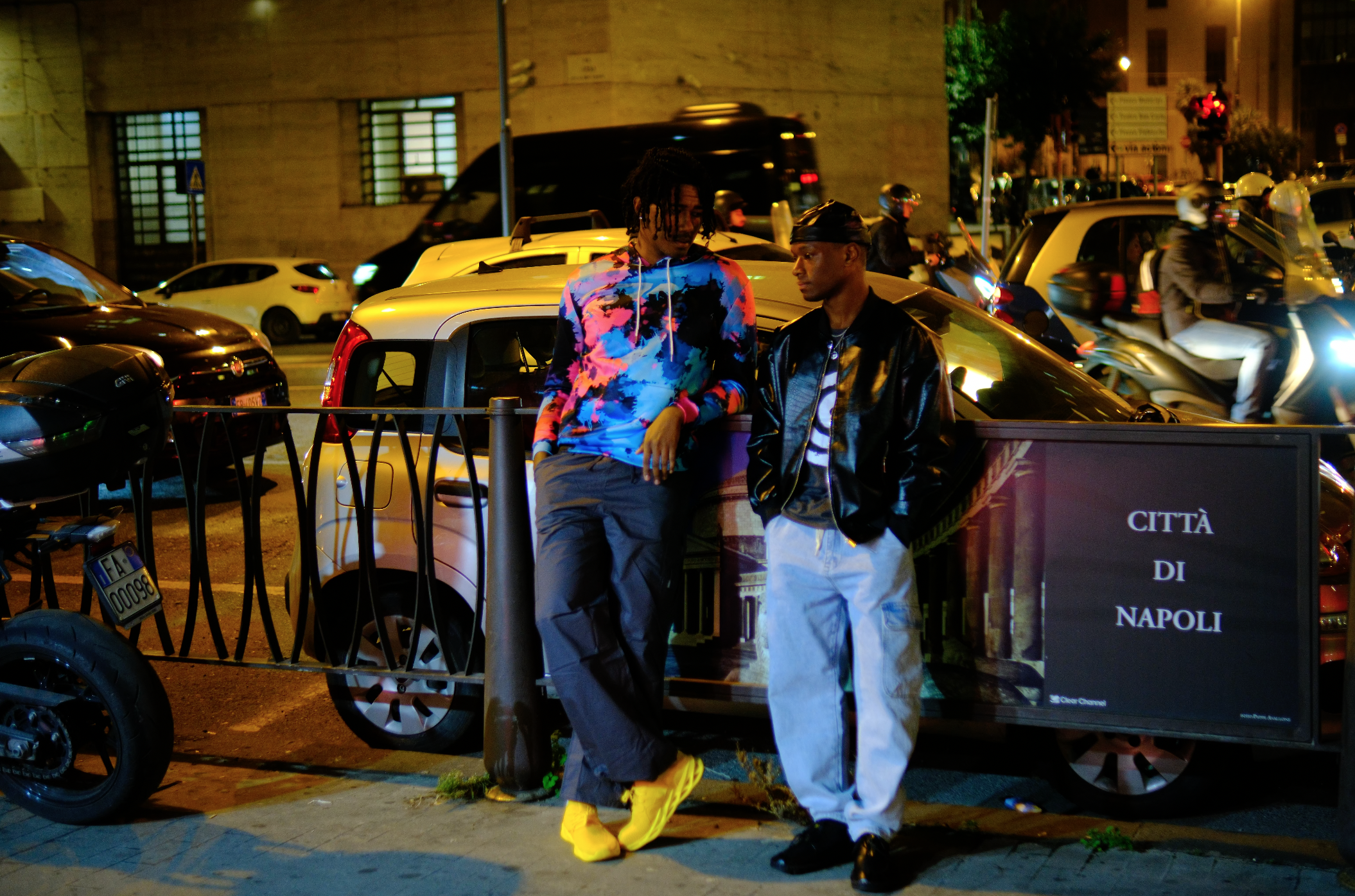
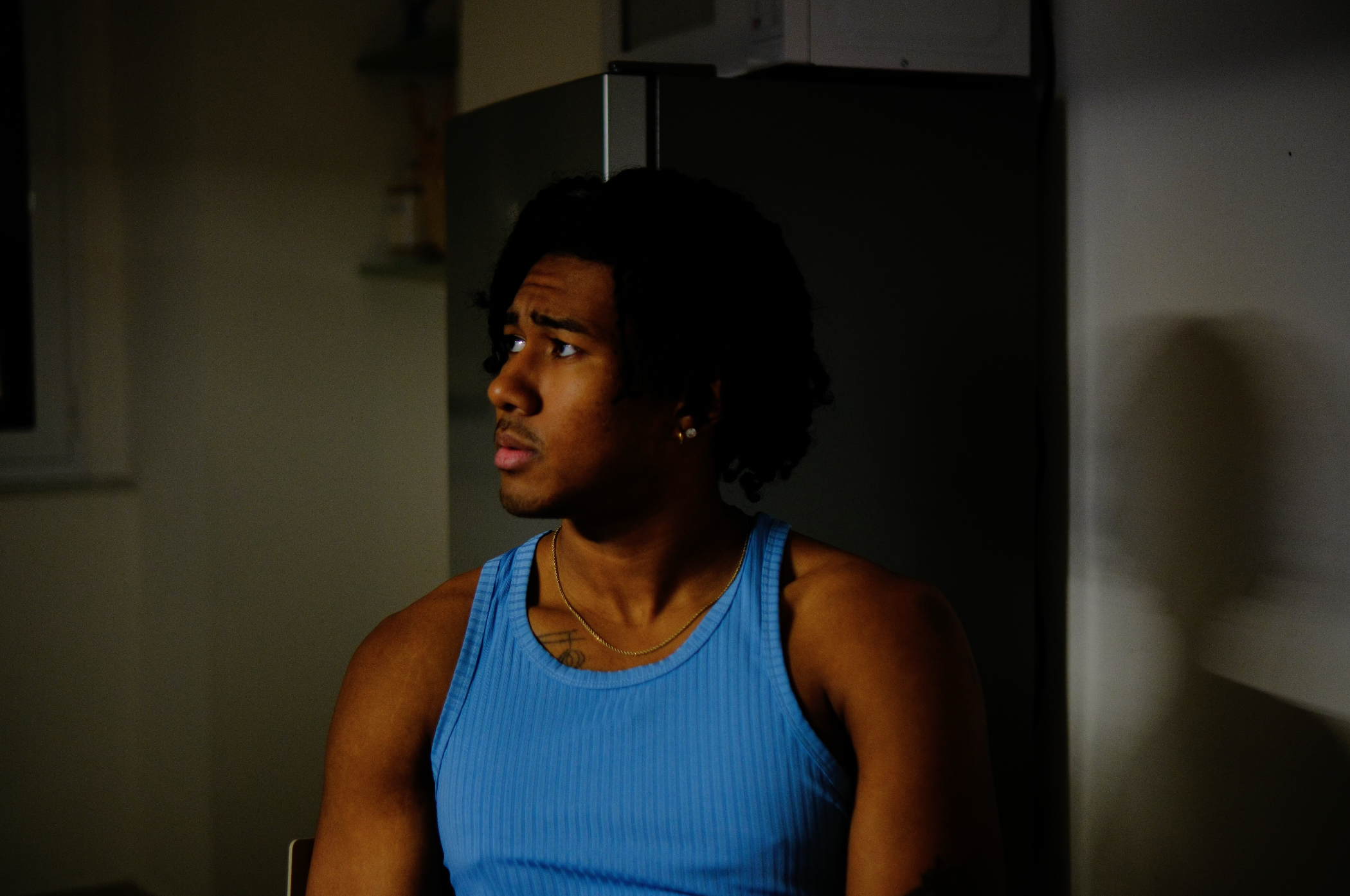
Set in Naples, Italy, GUAP stars Willie Albert Loman III as Rome and Isaiah Hodges as Fernando, former lovers and criminal collaborators attempting to survive through scams, improvisation, and increasingly fragile dreams of escape. Their relationship forms the emotional center of the series, while Sekou Conde’s Omar provides another crucial thread within the show’s larger world of hustlers, dreamers, and drifters navigating life on the margins. Together, the performances ground a narrative that moves fluidly between crime drama, queer romance, philosophical inquiry, and migration story.
Produced for approximately $30,000, filmed in Naples, Italy, distributed independently, and spanning twelve episodes of multilingual, queer, philosophical crime drama, the series raises a question that extends far beyond its own narrative: What happens when a Black independent filmmaker refuses to scale his imagination to his circumstances? More specifically, what happens when he succeeds?
The answer is GUAP.
Yet the series presents another question as well. A more uncomfortable question. How does a Black American filmmaker create a multilingual international drama series set in Italy, build and distribute it independently, release it into the world, and receive virtually no engagement from the institutions that routinely position themselves as champions of independent cinema, Black cinema, queer storytelling, or emerging voices?
That question sits at the center of the GUAP story because the story of GUAP is not simply about a television series. It is about artistic ambition, imagination, geography, and the boundaries filmmakers are expected to accept. Most importantly, it is about what becomes possible when a filmmaker stops asking permission.
For more than two decades, Lazarus X has occupied an unusual position within American independent cinema. His body of work spans web series, feature films, experimental narratives, romantic dramas, queer storytelling, Afrofuturist projects, and independent television. He has built audiences. He has built infrastructure. He has built a streaming platform. He has repeatedly generated work outside traditional institutional pathways. Yet despite the scope of that output, he remains largely absent from conversations that supposedly define contemporary independent cinema. The release of GUAP makes that absence increasingly difficult to explain.
At first glance, the premise appears straightforward. The series follows Rome and Fernando, former lovers and criminal collaborators living in Naples, Italy. Rome returns from prison to discover that little has improved during his absence. Debt remains. Instability remains. The future remains elusive. Together they navigate scams, emotional dependency, criminal opportunity, and increasingly fragile dreams of escape.
Yet almost immediately the series reveals itself to be operating on a different frequency than most contemporary crime dramas.
The first words spoken in GUAP are not exposition, threats, or declarations of criminal intent. They are poetry.
Fernando sits alone reciting French verse:
“For I have lived for waiting for you, and my heart was only your footsteps.”
Only afterward does the audience realize he is conducting a romantic scam.
The choice is revealing. Most crime dramas would foreground the mechanics of deception. GUAP foregrounds longing. Before viewers understand how money is being extracted, they are introduced to desire. Before they understand the scam, they understand the emotional condition that makes the scam possible.
This becomes key to understanding the entire series.
Again and again, practical problems reveal themselves to be emotional problems in disguise. The characters appear to be chasing money, but what they are actually pursuing is something far more elusive: belonging, security, love, closure, and the possibility of a future. Throughout the series, financial desperation functions less as a literal objective than as a symbolic stand-in for deeper emotional needs. The scams, hustles, and schemes that occupy the surface of the narrative repeatedly reveal themselves to be secondary to the more fundamental questions haunting the characters.
The line that eventually emerges as the philosophical center of the series captures this perfectly:
“The money don’t love us back, Nando.”
At first, the statement sounds like criminal wisdom. Later it sounds like romantic disappointment. Eventually it begins to resemble a worldview.
The line quietly dismantles the logic that drives nearly every character in the series. Everyone believes money will solve the problem, yet every major wound in the narrative predates money entirely. Rome’s missing parents, Fernando’s instability, the fear of abandonment, the need for intimacy, the desire to be chosen, and the longing for home all existed before financial hardship entered the frame. Money becomes less a goal than a fantasy, a symbolic answer to questions it was never capable of resolving.
This emotional complexity becomes even more apparent through Rome’s relationship to his parents. Beneath the crime narrative exists another story altogether: a grief story. A memory story. A story about absence.
One of the most affecting conversations in the series occurs after Fernando asks Rome whether it still hurts. Rome initially assumes he is referring to a physical injury. Fernando clarifies that he means his parents.
Rome’s answer arrives without hesitation:
“It always hurts. All the time.”
The line functions as an emotional key to the entire series because GUAP is ultimately populated by people carrying old wounds. Rome carries the disappearance of his parents. Fernando carries a profound fear of instability and abandonment. Even the dream of leaving Naples often feels less like a practical plan than an attempt to outrun emotional history.
Throughout the series, Rome’s parents remain an invisible presence. Their absence shapes his decisions, his fears, and his fantasies. Small details become unexpectedly powerful. Memories of food. Memories of home. The bell his mother used to ring before meals. These moments transform what could have been routine backstory into something more intimate and universal. Rome is not merely searching for money or opportunity. He is searching for a version of emotional closure that may not exist.
The series repeatedly disguises grief as motion. Its characters are always planning, leaving, escaping, and imagining future lives elsewhere. Panama. Costa Rica. San José. Anywhere but here. Yet what makes these dreams compelling is that the series understands something many narratives do not: geography cannot heal what memory refuses to release. Rome’s parents remain with him whether he is in Naples or Panama. Fernando’s insecurities remain with him regardless of location. The characters keep changing maps while carrying the same emotional luggage.
This concern with longing, displacement, and emotional survival places GUAP closer to traditions of international art cinema than contemporary streaming television. The series is remarkably patient. It allows conversations to linger. It allows contradictions to remain unresolved. It permits characters to be emotionally opaque rather than fully explained.
Perhaps most importantly, it allows them to fail.
Unlike many crime dramas, GUAP is not particularly interested in competence. Rome and Fernando are not criminal masterminds. They are improvisers, dreamers, and survivors attempting to construct temporary shelters against uncertainty. Their plans frequently collapse. Their finances remain unstable. Their futures remain unresolved. Rather than presenting criminal competence as the source of dramatic tension, the series becomes interested in something more fragile: endurance itself.
At its core, GUAP is a story about care. Not the grand gestures of romantic idealization or heroic sacrifice, but the daily labor of keeping another person emotionally intact. Rome and Fernando dress each other’s wounds, prepare meals, offer reassurance, argue, reconnect, disappoint one another, and try again. Their relationship is built less on certainty than maintenance, less on fantasy than the repeated work of showing up.
This focus on care may be one of the series’ most significant contributions. Black masculinity has historically been depicted through frameworks of strength, resilience, danger, competence, and survival. Those qualities remain present in GUAP, but they are not the whole story. The series is equally interested in dependency, vulnerability, need, tenderness, and the emotional labor required to sustain another human being.
These moments are never announced as politically important. They simply exist. Because they exist so naturally, they become powerful.
The same is true of the series’ treatment of identity itself. Rome and Fernando make their living through performance. They adopt accents, fabricate histories, construct personas, and continuously reinvent themselves depending on circumstance. Yet some of the most emotionally honest moments in the series occur between these same characters. The contradiction becomes one of the show’s central philosophical concerns.
If identity is always being performed, where exactly does authenticity reside? The series never answers the question directly. Instead, it treats performance not merely as a criminal tactic but as a condition of modern existence. Everyone is performing something. Everyone is constructing a version of themselves capable of surviving the world they inhabit.
By the end of its opening movements, GUAP reveals itself to be something considerably more ambitious than a crime drama. It is a story about grief disguised as a scam story, a love story disguised as a crime story, a migration story disguised as a hustler story, and a philosophical inquiry disguised as television.
Understanding that complexity is the first step toward understanding why the existence of the series itself matters so much. Because the ambitions contained within the script are only the beginning of the story.
Omar and the Expansion of the Series
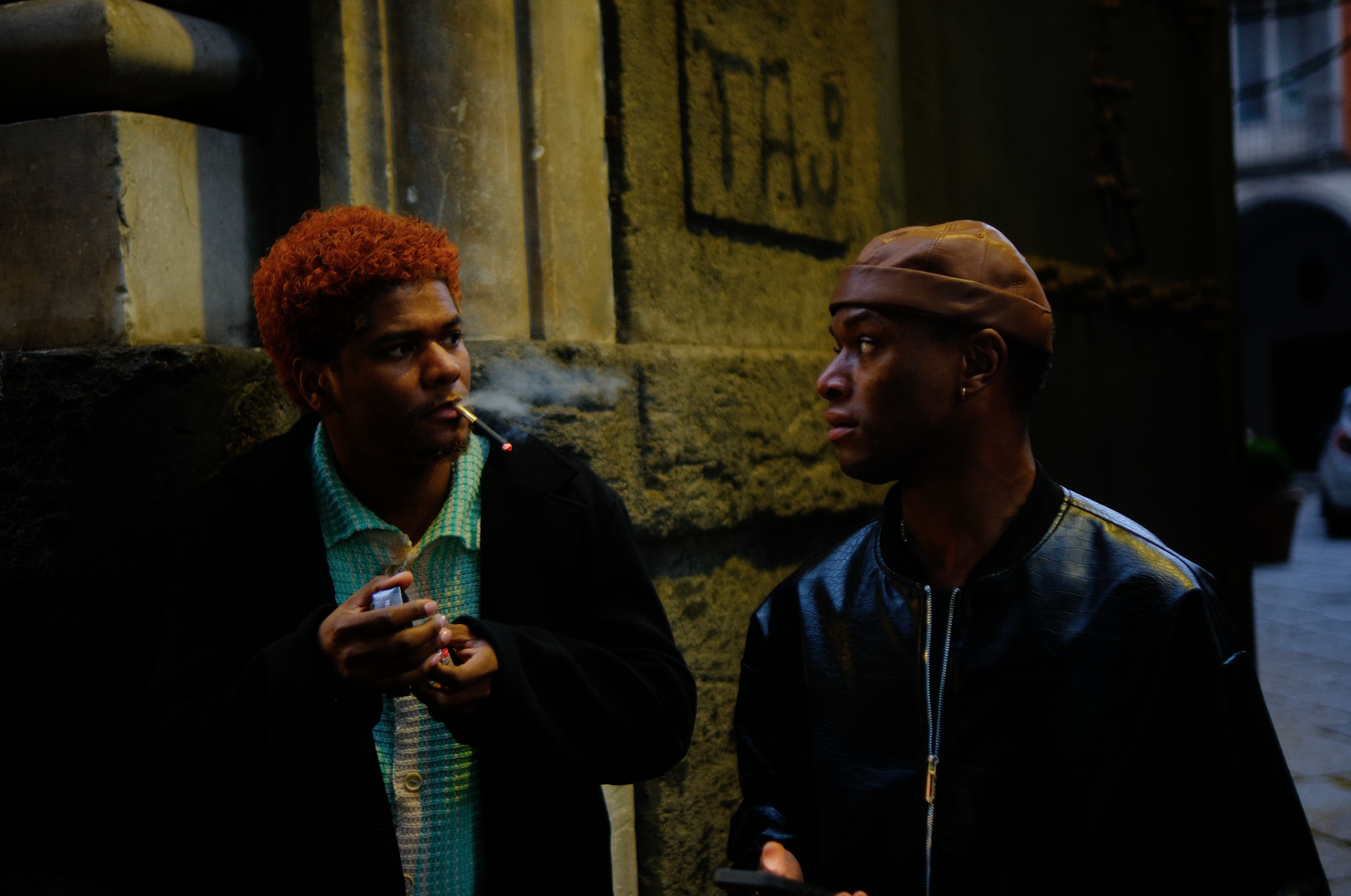
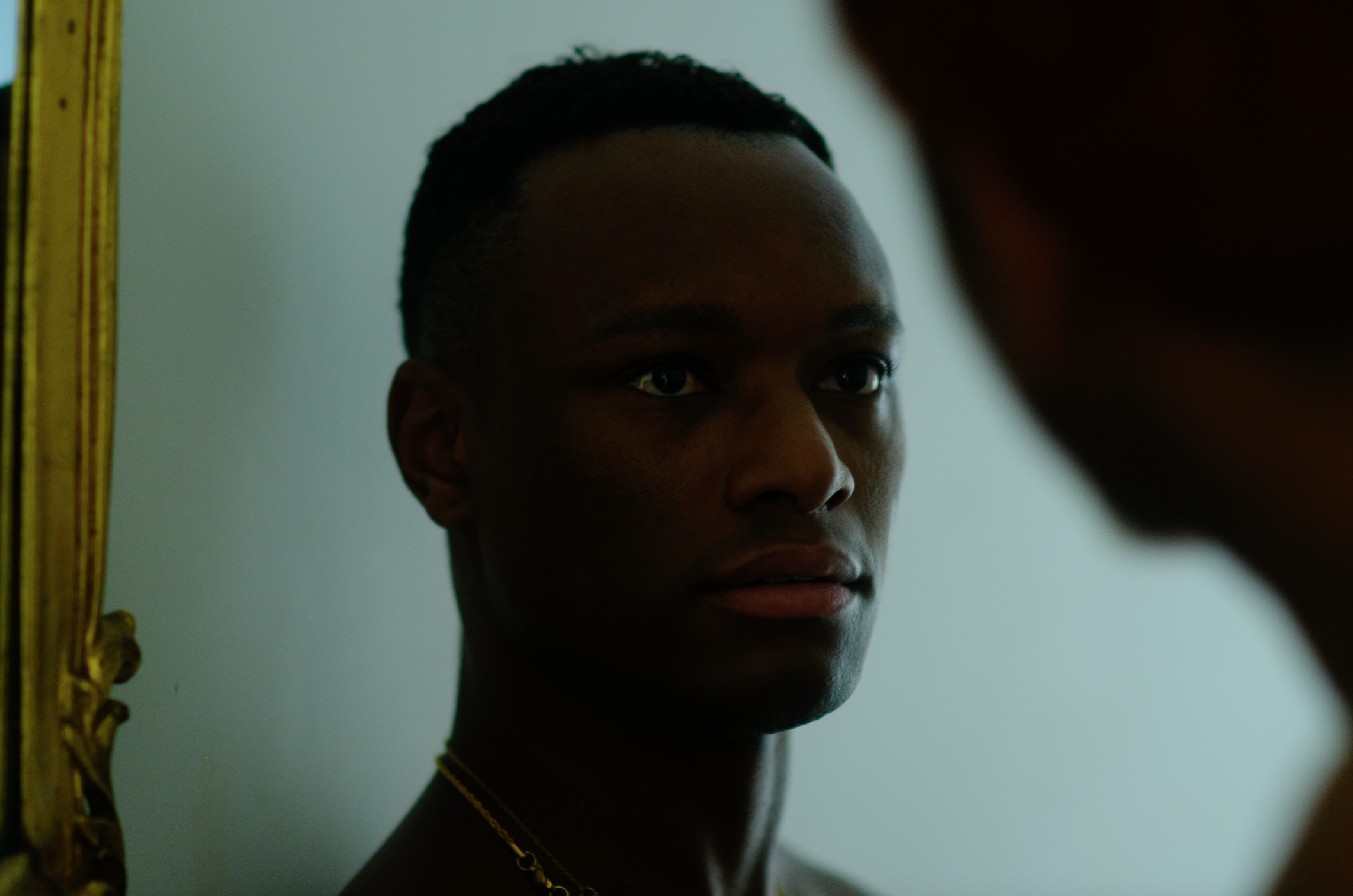
One of the clearest examples of GUAP’s ambition arrives through the character of Omar, portrayed by Sekou Conde.
At first glance, Omar appears to occupy a familiar narrative role. He is introduced as a debt collector pursuing Fernando for money owed from an earlier criminal enterprise. Initially, he functions almost like a source of pressure, an obstacle standing between the protagonists and whatever future they hope to build. But GUAP slowly reveals that Omar is carrying an entirely different story.
In one of the season’s most powerful scenes, Omar explains his history to Fernando while the two sit together in a bathroom. What emerges is an expansive narrative stretching across continents and systems of power. Omar reveals that he was born in the Republic of Congo and, at nineteen years old, was lured by the promise of employment while trying to support his sick mother and grandfather. Instead, he was trafficked. Beaten. Recorded. Used as leverage against his family. Transported across borders. Forced into a system in which his body became a commodity sold through international networks.
The revelation fundamentally alters the audience’s understanding of the character. Suddenly, Omar’s fixation on money takes on a different meaning. He is not seeking luxury. He is not pursuing status. He is not chasing wealth. He is attempting to purchase his freedom. The scene goes further. Omar describes being moved from country to country, including Germany, Morocco, and Ukraine. He describes losing his mother. He describes the murder of his grandfather. He describes fathering a daughter with a woman named Amira, only to later realize that even this relationship existed within the larger machinery that had controlled his life for years.
What is remarkable is that GUAP refuses to reduce Omar to trauma. He remains intelligent, observant, strategic, and deeply human. He studies cryptocurrency because he believes it may offer a path toward paying his exit fee, reclaiming his daughter, and starting over somewhere else. He speaks not like a victim awaiting rescue but like a man actively engineering his own liberation. As he tells Fernando, “Power is not given, it’s taken.” Through Omar, the scale of GUAP changes.
The series is no longer simply about Naples. It is no longer simply about Rome and Fernando. The Congo enters the story. Germany enters the story. Morocco enters the story. Ukraine enters the story. Human trafficking enters the story. Global labor systems enter the story. Fatherhood enters the story. A project produced for approximately $30,000 suddenly finds itself engaging questions that many productions with budgets hundreds of times larger never attempt.
This is one of the reasons GUAP feels so unusually expansive. The series consistently refuses to shrink itself to fit conventional expectations about what a Black independent project should contain. Instead, it broadens its frame, insisting that Black lives, Black movement, Black desire, and Black survival are global stories.
Omar is perhaps the clearest embodiment of that ambition.


PART II: THE ACHIEVEMENT: The $30,000 Question
If the first challenge posed by GUAP is understanding what the series is, the second challenge is understanding how it exists. The entire first season was produced for approximately $30,000. That figure deserves to be repeated because it fundamentally changes the conversation surrounding the project. The significance of the budget is not that it was small. Independent cinema is filled with projects made for modest sums of money. Financial limitation alone does not create artistic significance. What matters is the relationship between resources and ambition.
Most filmmakers are taught, either directly or indirectly, to calibrate ambition according to circumstance. Smaller budgets typically produce smaller worlds. Locations are reduced. Characters are reduced. Scope is reduced. Complexity is reduced. Entire story possibilities are abandoned before production even begins. Over time, this logic becomes so normalized that many artists no longer recognize it as a limitation. It simply becomes the accepted way of working. GUAP rejects that logic almost entirely.
The significance of the series is not merely that it was produced for approximately $30,000. Independent cinema is filled with inexpensive productions. What distinguishes GUAP is the extraordinary distance between its material resources and its artistic ambitions. Rather than scaling its imagination to its budget, the series repeatedly behaves as though budget has no authority over imagination at all. The result is a work that engages international geography, multilingual storytelling, philosophy, romance, crime, migration, grief, and emotional dependency with a confidence more commonly associated with productions operating at dramatically larger scales.
The world of GUAP extends far beyond Naples itself. Characters discuss Panama, Costa Rica, London, Australia, Russia, and Morocco with a casual familiarity. Multiple languages circulate throughout the narrative. The story moves fluidly between crime, romance, philosophy, grief, migration, identity, and survival without ever appearing concerned that these ambitions might exceed the practical limitations of the production. The project simply assumes it has permission to think big.
That assumption may sound simple, but it runs directly against one of the most deeply internalized habits of independent filmmaking: the tendency to shrink artistic ambition in response to financial limitation. Entire stories disappear because they seem too expensive, too complicated, or too difficult to execute. GUAP repeatedly moves in the opposite direction, treating imagination as the starting point and production as the challenge to be solved afterward. This may ultimately be one of the most important contributions the series makes to contemporary independent cinema.
Refusing the Scale of the Budget
There is a tendency to measure ambition through money. Large productions are assumed to be ambitious because they are expensive. Massive casts, elaborate locations, visual effects, international travel, and expansive marketing campaigns create an immediate impression of scale. Yet there is another form of ambition that receives far less attention. Conceptual ambition. Geographic ambition. Philosophical ambition. Narrative ambition. Cultural ambition. The ambition of imagining a world larger than the resources available to build it. Viewed from this perspective, GUAP becomes a fascinating case study.
The series combines elements that are rarely found together. It is simultaneously a Black independent drama, a queer romance, an international crime story, a philosophical character study, a multilingual narrative, a self-distributed production, and a twelve-episode serialized work set in Europe while remaining deeply connected to Black American experience. Most projects choose one or two of these identities. GUAP attempts all of them at once.
Whether viewers ultimately embrace every creative decision is almost beside the point. The attempt itself is significant. Very few filmmakers are pursuing this particular combination of scale, geography, and thematic ambition. This is not merely unusual within Black independent cinema. It is unusual within independent cinema generally. The project repeatedly asks questions that many productions avoid asking altogether.
Why can't a Black independent series occupy the same international terrain frequently granted to larger productions? Why can't Black queer characters exist within world cinema rather than being confined to narrowly defined identity categories? Why can't a micro-budget project engage migration, philosophy, crime, romance, grief, and global movement simultaneously? Why should financial resources determine the borders of artistic imagination? The answer offered by GUAP is straightforward: they shouldn't. The series proceeds from the assumption that imagination should lead and production should follow. That assumption may be the most radical thing about it.
A Black American Series in Italy
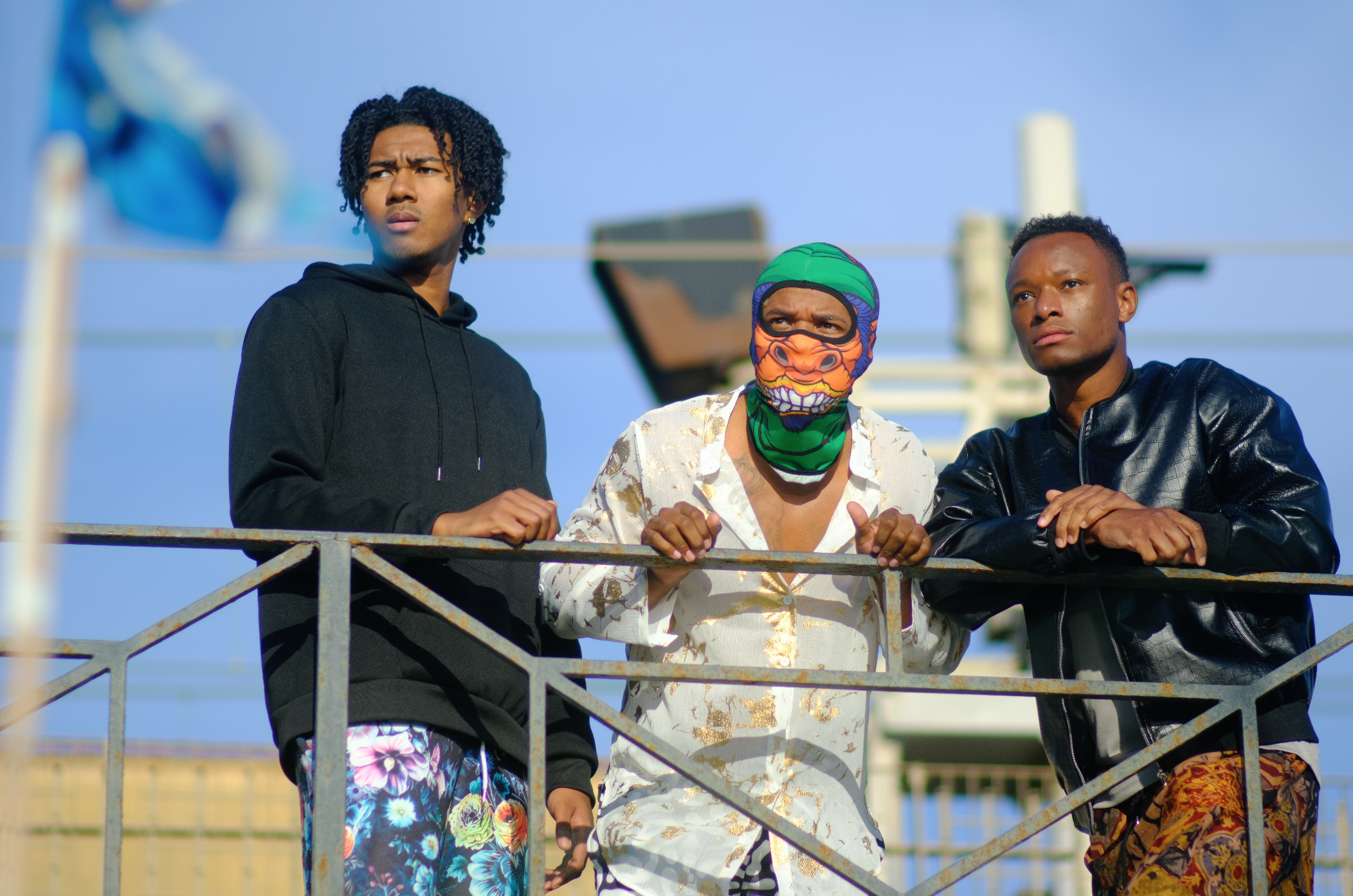
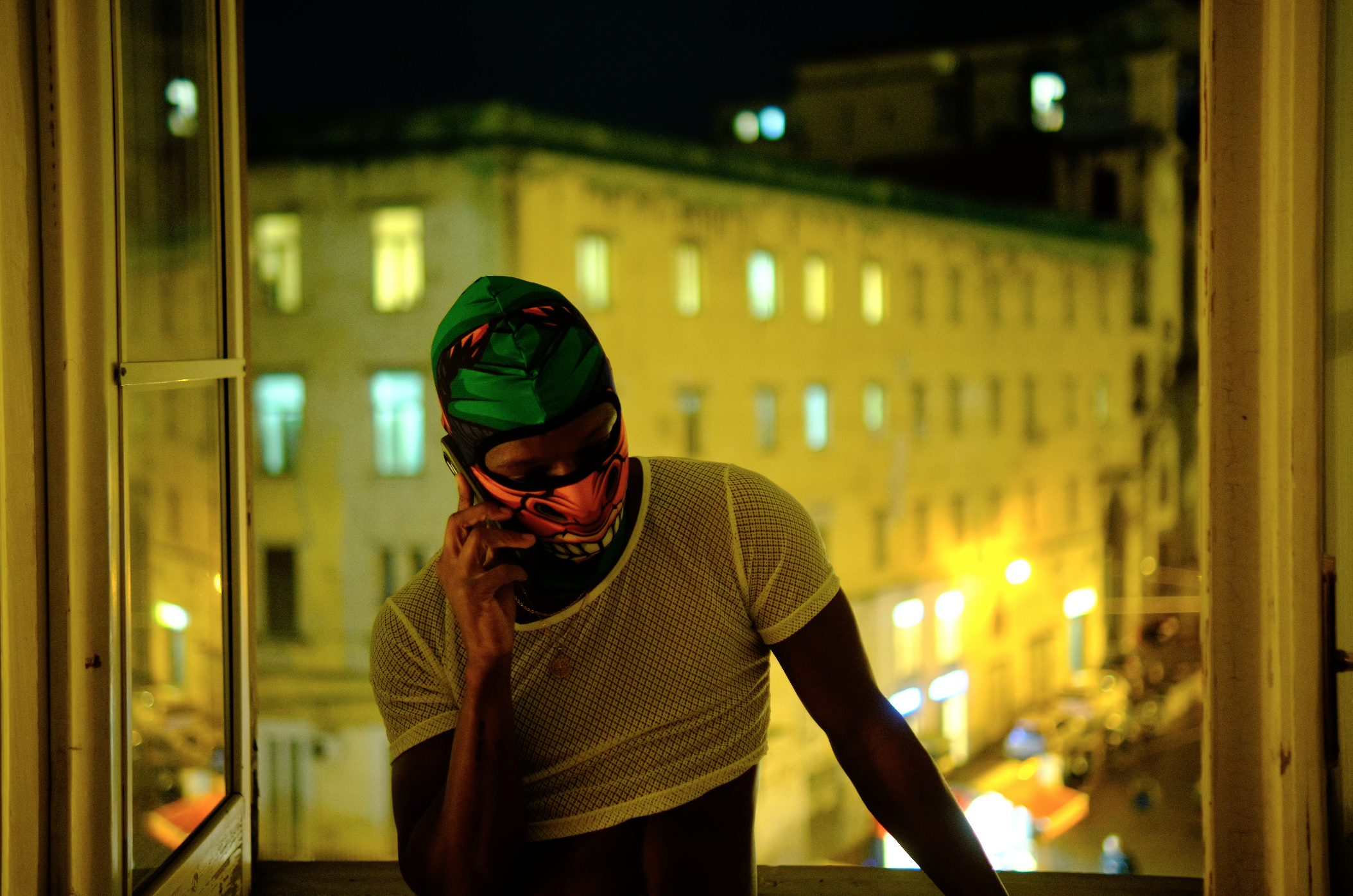
One of the most overlooked aspects of GUAP is also one of its most remarkable. The series was not filmed in Atlanta, Los Angeles, or New York, the cities that have become familiar centers of contemporary American independent production. Instead, Lazarus X chose to situate the project in Naples, Italy, a decision that carries implications extending far beyond production logistics.
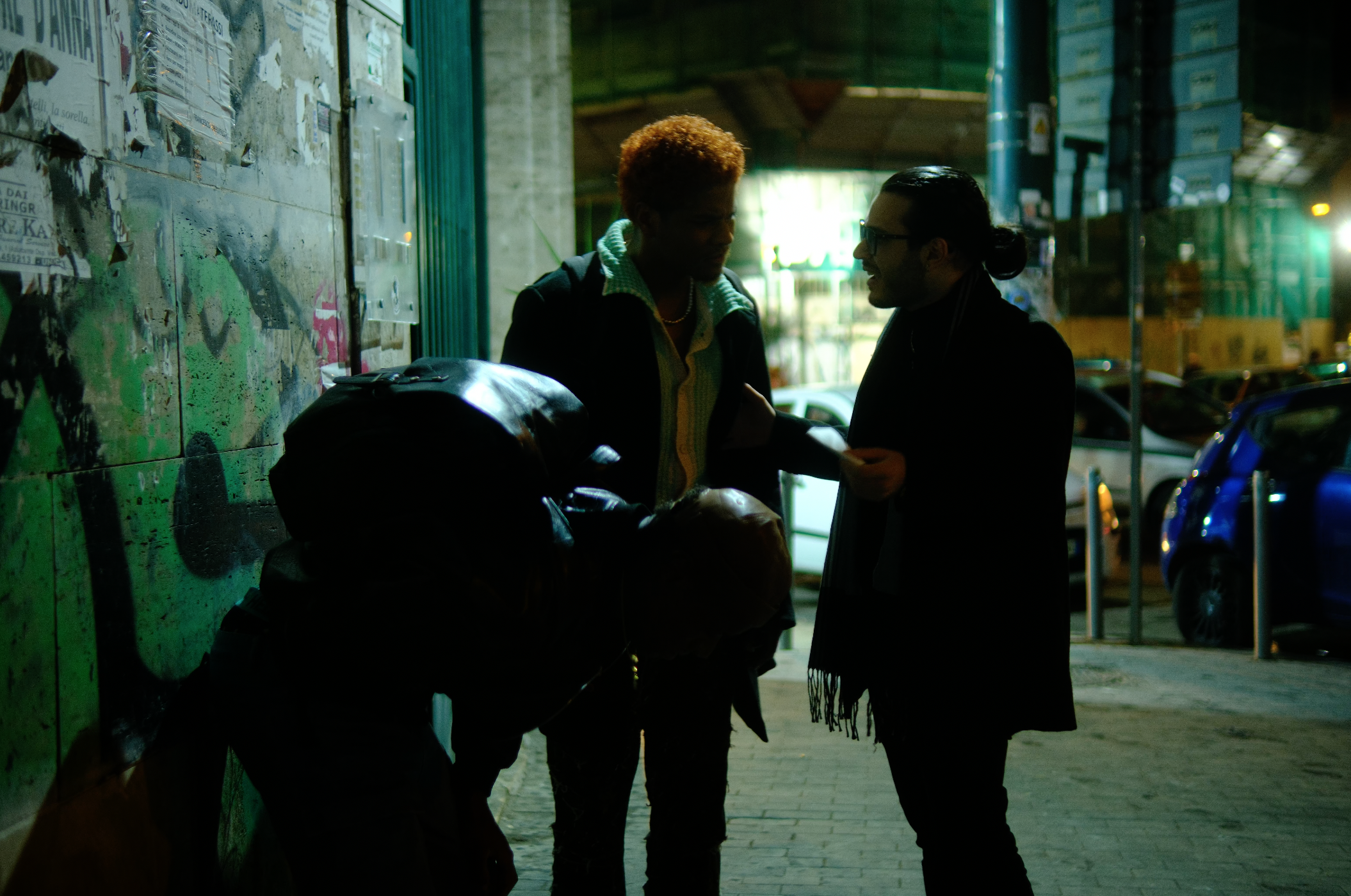
The setting is not a novelty. It is not a vacation backdrop. It is not a temporary stop on the way to somewhere else. Naples becomes an inhabited world. The city's architecture, history, rhythms, beauty, contradictions, and textures actively shape the narrative. The streets feel lived in. The spaces feel occupied rather than borrowed. More importantly, the series treats Black characters as natural participants within that environment. They are not outsiders peering in. They are not tourists. They are not symbolic visitors temporarily passing through an exotic landscape. They belong there.
This matters because geography is never simply geography in cinema. Geography determines possibility. Geography determines what kinds of stories appear available to filmmakers and audiences alike. For decades, Black cinema has often been discussed through national frameworks. Even when stories become global, they frequently remain anchored to American perspectives. International locations become temporary destinations rather than fully inhabited worlds. GUAP operates differently.
The series quietly rejects the assumption that Black cinematic imagination should remain geographically constrained. Its characters move through international networks of longing, survival, debt, reinvention, romance, and migration. Their concerns are simultaneously local and global. They belong to a world that extends beyond national boundaries. The result is a series that feels less interested in asking what it means to be Black in America than what it means to be Black in the world. That shift is significant because it expands the imaginative territory available to Black independent cinema itself.
The Geography of Black World Cinema
Cinema has always been about maps. Not merely physical maps, but imaginative maps that determine where stories can occur, who belongs within those stories, and what kinds of lives are considered worthy of cinematic attention. Historically, Black filmmakers have spent enormous energy fighting for representation within existing maps. GUAP is interested in something slightly different.
The series assumes that Black independent cinema can be international without explanation. It assumes that Black characters can inhabit multilingual environments without becoming symbols. It assumes that Black stories can move across borders without losing specificity or cultural texture.
In doing so, it proposes a larger vision of cinematic possibility. One in which Black filmmakers are not merely seeking inclusion within established frameworks but claiming new territory altogether. This is where comparisons to figures such as Oscar Micheaux and Melvin Van Peebles become useful. The connection is not stylistic. The connection is territorial. Micheaux expanded what Black filmmakers could make. Van Peebles expanded what Black filmmakers could control. GUAP contributes to this lineage by expanding where Black independent cinema can live.
The achievement is not simply that a Black filmmaker made a series in Italy. The achievement is that the project proceeds as though Italy was always available. As though world cinema was always available. As though international storytelling was always available. As though permission was never required. That confidence may be one of the most revolutionary aspects of the work.

Naples and the Possibility of Welcome
One of the least discussed stories surrounding GUAP concerns the conditions that made the series possible. Independent filmmakers spend enormous amounts of time navigating bureaucracy, permits, restrictions, access issues, and administrative barriers. Countless projects are limited not by imagination but by institutional resistance. The experience of producing GUAP in Naples appears to have offered something different.
According to Lazarus X, the experience of working with the Naples Film Office was defined by a level of support, cooperation, and accessibility that proved essential to the production. Communication was direct. Permits were attainable. The city demonstrated a willingness to engage with an independent international project operating far outside traditional studio structures.
Every film reflects not only the vision of its creators but also the willingness of institutions to allow that vision to exist. In this respect, Naples becomes more than the setting of GUAP. It becomes one of the conditions of its possibility. There is a quiet irony embedded in this reality.
A Black American filmmaker spent years attempting to build ambitious work within an industry that frequently celebrates innovation, independence, and diversity. Yet one of the most supportive experiences of his career emerged not from Hollywood, not from a major studio system, and not from the American institutions that routinely position themselves as champions of artistic voices. It emerged in Naples.
That fact should not be ignored because it complicates familiar assumptions about where opportunity actually exists. More importantly, it reveals something about the relationship between artists and place. Sometimes the most meaningful support arrives not from the institutions one is told to pursue but from the places willing to believe in the work before anyone else does.
For Lazarus X, Naples was one of those places. The city did not merely host the production of GUAP. It helped make the production possible. Understanding that reality is essential to understanding the achievement itself.
PART III: THE IMPLICATIONS: The Question of Recognition
If GUAP were merely an ambitious independent series, its existence would already be noteworthy. Yet the project becomes even more revealing when one considers what happened after it was completed, released, and made available to audiences.
For more than a year following the release of GUAP, efforts were made to secure coverage across film, television, entertainment, independent film, and Black media platforms. The result was not mixed coverage, limited coverage, or unfavorable coverage. The result was no coverage at all. No reviews appeared in major film publications. No interviews appeared in major entertainment outlets. No feature articles, critical essays, festival write-ups, or substantial engagements emerged from the mainstream film press, Black film press, television media, or entertainment journalism.
This fact is important because GUAP was never hidden from public view. The series was completed, distributed, and publicly accessible. It existed on streaming platforms. It could be searched, discovered, and watched. The issue was never availability. The issue was the complete absence of critical engagement.
That absence becomes increasingly difficult to explain when one considers the nature of the project itself. Here was a multilingual Black independent drama filmed in Naples, Italy, produced for approximately $30,000, spanning twelve episodes, and combining elements of crime fiction, romance, philosophy, migration, and queer storytelling. The project intersects with many of the categories contemporary film culture routinely claims to value. Yet no critical conversation emerged around it.
This observation should not be mistaken for an argument that any artist is owed coverage. No publication owes attention to any filmmaker. The more interesting question is what this silence reveals about the contemporary ecology of film culture itself. If a project like GUAP can be made, released, distributed, and publicly available while generating no critical conversation whatsoever, what does that suggest about the systems that are supposedly responsible for identifying, discussing, and elevating ambitious independent work?
The question becomes even more pressing when viewed in relation to the broader discourse surrounding independent cinema. Contemporary film culture often celebrates risk-taking, originality, artistic autonomy, and alternative production models. Yet GUAP arrived embodying all of those qualities while generating no institutional response. The contradiction is difficult to ignore. If ambition, independence, and innovation are truly valued, then the absence of engagement surrounding GUAP becomes a legitimate critical question in its own right.
The silence surrounding the series therefore becomes part of the story. Not because silence automatically proves significance, but because it reveals a gap between the values film culture often professes and the works it actually chooses to discuss. GUAP exposes that gap with unusual clarity.
The Question of Champions
Film history repeatedly demonstrates that visibility and quality are not synonymous. Again and again, artists emerge because somebody with cultural influence decides to advocate for them. Critics champion them. Festival programmers champion them. Curators champion them. Journalists champion them. Producers champion them. Entire careers have been altered because a relatively small number of people chose to spend their institutional capital arguing that a particular artist deserved attention. Seen from this perspective, the story of Lazarus X becomes less a story about illegibility and more a story about the absence of champions.
Nothing about GUAP is inherently inaccessible. The series contains recognizable dramatic elements, including romance, crime, suspense, humor, grief, beauty, and emotional conflict. Its ambitions are visible from the opening scene. Its themes are understandable. Its characters are understandable. The issue is not that the work exists beyond interpretation. The issue is that no critical apparatus emerged around it.
No body of criticism developed. No sustained conversation formed. No influential advocates stepped forward to argue for its significance. As a result, the series occupies a peculiar position. It exists. It can be watched. It can be evaluated. Yet it remains absent from the discourse that supposedly defines contemporary independent cinema.
This shifts the conversation away from the simplistic assumption that recognition naturally follows merit. Film history simply does not work that way. Many of the artists now regarded as essential figures benefited from champions willing to amplify their work, contextualize their contributions, and insist upon their importance. The story of GUAP suggests what can happen when that mechanism never activates.
The result is not merely a lack of visibility. The result is the absence of context. Without criticism, projects struggle to enter broader conversations. Without essays, reviews, and analysis, the significance of a work often remains invisible to anyone beyond its immediate audience. The absence of champions therefore becomes more than a publicity problem. It becomes a cultural problem.
In this sense, the story of GUAP raises questions not only about one filmmaker but about the broader structures through which contemporary cinema is evaluated, discussed, and remembered.


Lazarus X and the Black Art-House Underground
The phrase "Black independent cinema" often evokes familiar categories. Festival films. Historical dramas. Social realism. Identity-centered narratives. Stories rooted within recognizable American contexts. These traditions have produced some of the most important works in contemporary cinema and remain essential to the ongoing evolution of Black filmmaking. Yet there has always existed another tradition as well.
A tradition composed of artists who build outside dominant frameworks. Artists who create their own infrastructures. Artists whose work refuses easy categorization. Artists who often find themselves existing at the margins of multiple cinematic worlds simultaneously. This is the lineage within which Lazarus X is most productively understood.
What distinguishes his career is not simply the content of the work itself but the manner in which that work has been produced, distributed, and sustained over time. Rather than pursuing a singular breakthrough into an existing institution, he spent decades constructing alternative pathways. Web series. Independent features. Experimental projects. Direct audience relationships. Self-distribution. Eventually, the creation of Arthouse Streaming Plus+ as a platform through which work could reach audiences without relying entirely on external gatekeepers. This approach places him within a tradition of builders as much as filmmakers.
The comparison to Oscar Micheaux and Melvin Van Peebles emerges most clearly here. Neither figure remains important solely because of the films they created. Their historical significance stems from the fact that they expanded possibilities. Micheaux demonstrated that Black filmmakers could build independent production and distribution systems when existing institutions refused access. Van Peebles demonstrated that Black filmmakers could seize creative control rather than waiting for permission. Both artists expanded the available territory of Black cinema.
In a different historical moment and under very different circumstances, Lazarus X's career reflects a similar impulse. Again and again, the response to institutional exclusion was not retreat but construction. If traditional systems did not provide distribution, distribution was built. If traditional systems did not provide opportunity, opportunity was created. If traditional systems did not provide visibility, audiences were cultivated directly. GUAP emerges from that tradition.
The series is not simply a production. It is the latest expression of a larger philosophy of artistic self-determination. It represents the culmination of years spent developing an independent practice capable of surviving without institutional approval. Whether one views the project as a success, a provocation, or an experiment, it remains difficult to separate the work itself from the infrastructure that made it possible. That infrastructure is part of the achievement.
Expanding the Map
Ultimately, the most important contribution of GUAP may have very little to do with reviews, ratings, awards, or institutional recognition. Its most significant contribution may be territorial. Throughout film history, important works often expand the boundaries of what other artists believe is possible. They alter assumptions. They redefine expectations. They make previously unthinkable ideas appear attainable. Their influence is not limited to aesthetics. It extends into imagination itself. GUAP belongs to this tradition.
The series expands geographic territory by placing Black independent cinema within a fully inhabited international context. It expands conceptual territory by combining crime, romance, philosophy, migration, grief, and queer intimacy within a single narrative framework. It expands production territory by demonstrating what can be attempted when imagination is not reduced to match available resources. It expands industrial territory by existing outside many of the structures that typically determine visibility and legitimacy. Most importantly, it expands psychological territory.
The series proposes a different relationship between artists and limitation. Too often, filmmakers internalize the boundaries surrounding them. They begin to believe that budgets determine imagination, that geography determines possibility, that institutions determine legitimacy, and that access determines ambition. GUAP quietly argues otherwise.
This may ultimately be why the series matters. Its significance has very little to do with whether it received recognition, coverage, or institutional validation. Its importance lies elsewhere. The project demonstrates what becomes possible when a filmmaker refuses to confuse existing pathways with the limits of artistic possibility. It demonstrates what can happen when imagination is permitted to exceed circumstance.
Regardless of how contemporary institutions choose to respond, certain facts remain. A Black American filmmaker created a multilingual twelve-episode drama series in Naples, Italy for approximately $30,000. He combined crime, romance, philosophy, migration, and queer intimacy within a single narrative world. He distributed the work independently and released it without waiting for permission from the institutions that typically determine which projects are worthy of attention. That achievement exists independently of whether the gatekeepers acknowledge it.
Whether contemporary film culture eventually catches up to GUAP remains an open question. What is not an open question is the accomplishment itself. The series stands as evidence that artistic ambition does not require institutional authorization, that imagination need not be reduced to match circumstance, and that independent cinema still possesses the capacity to surprise us.
The future of independent cinema will not be created solely by the artists who are invited inside established systems. It will also be created by the artists who build beyond those systems altogether. In that respect, GUAP is more than a series. It is a reminder that the boundaries of cinema remain unfinished, and that some of the most important work is still being made in places the gatekeepers have not yet learned to see.